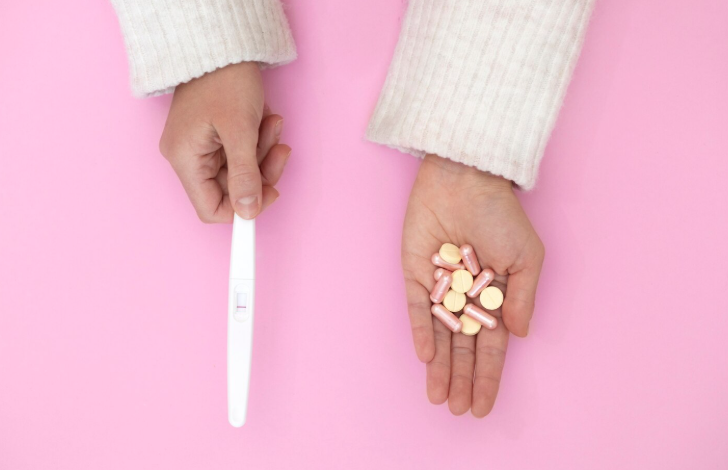
PCOD vs PCOS: Key Differences, Symptoms & Effective Treatments
- Home
- /
- Health Hub
- /
- PCOD vs PCOS: Key Differences, Symptoms & Effective Treatments

27 November, 2025 | By Dr. Hafeez Rahman Padiyath
As lifestyle, stress, and hormonal dysfunctions continue to impact women's reproductive health and health in general, the need for women of all ages to understand the differences between PCOD and PCOS is certainly growing in importance. Although the two conditions may sound similar, they are not the same, and recognising these differences can make early diagnosis and timely treatment much easier.
Many young women search online wondering “What is PCOD?”, while others find themselves asking “What is PCOS?” or “What are the signs of PCOS?”.
This blog simplifies both conditions in clear, friendly language so that every woman can understand her body better and seek the right support if needed.
PCOD, known as Polycystic Ovarian Disease, is a common occurrence in women. It happens when the ovaries contain large number of immature or underdeveloped eggs.This can turn into small cysts eventually. PCOD is typically linked to lifestyle changes, stress, and minor hormonal imbalances.
Women with PCOD experiences
• Irregular or late periods
• Weight gain without explanation
• Acne and oily skin
• Mild hair thinning
• Difficulty conceiving as they have Irregular ovulation
PCOD is understood to be a milder condition and is usually well-managed with changes in lifestyle.
PCOS, or Polycystic Ovary Syndrome, is a more severe metabolic and hormonal disorder. They have higher levels of androgens (male hormones). Women that live with PCOS often have insulin resistance which, if untreated, has implications for long-term health like Diabetes, fatty liver, cardiovascular diseases and metabolic syndromes. To diagnose a women with PCOS a women should have Polycystic ovaries on Ultrasound , Hyperandrogenism ,oligo or anovulation.Among the three atleast two criteria should be fulfilled.
• Irregular menstrual cycles with cycle interval more than 35 to 40 days or absent cycles
• Excessive hair growth on the face or body (hirsutism)
• Severe acne
• Weight gain, often around the abdomen,obesity
• Difficulty conceiving
• Hair thinning or male-pattern balding
Because PCOS affects several body systems, early medical support is essential.
Although PCOD and PCOS share similar symptoms, their causes, severity, and long-term effects differ.

Understanding these differences helps women choose the right treatment and seek timely support.
Although PCOD and PCOS differ from one another, they have several of the same factors that ultimately cause them.
• Genetics
• Hormonal imbalance; especially excess androgens
• Insulin resistance
• Unhealthy Lifestyle, such as diet, lack of exercise, or increased stress
• Obesity or being overweight
These factors can lead to symptoms as well as an exacerbation of existing symptoms.
Early identification is essential and women should not take the following signs lightly:
• Irregular or missed menstrual cycles
• Sudden, equalized weight gain
• Excess hair on the face or body
• Hair loss
• Acne (or excessive oily skin)
• Infertility
If you find yourself in this position more than once, then you should speak with a physician or look to seek medical attention.
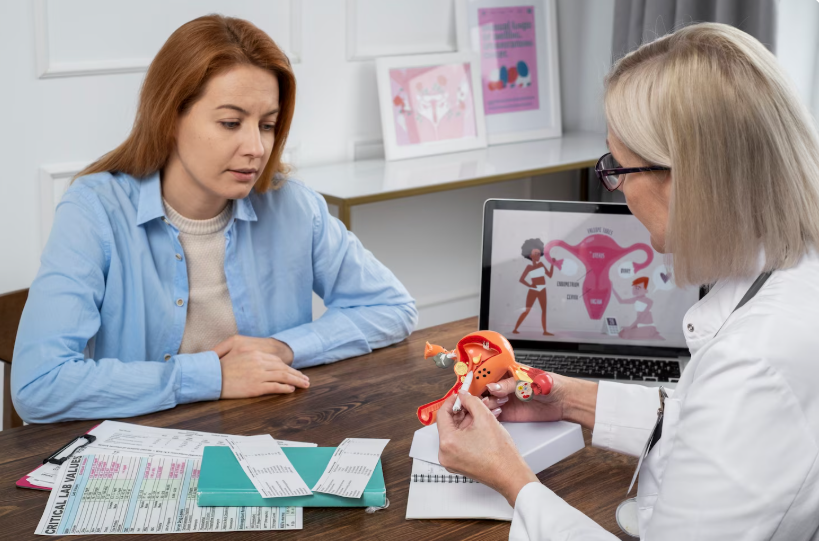
Diagnosis typically includes a combination of assessments to understand the hormonal and metabolic profile:
• Physical examination and medical history
• Ultrasound scan to look for cysts or enlarged ovaries
• Blood tests to check hormone levels, thyroid function, and insulin resistance
• BMI assessment to evaluate metabolic health
Accurate diagnosis helps in creating a personalised treatment plan.
Treatments vary depending on whether the condition is PCOD or PCOS, but may include:
• Hormonal therapy or birth control pills to regulate the menstrual cycle
• Metformin to address insulin resistance (commonly used for PCOS)
• Fertility medications if pregnancy is planned
• Dermatological treatment for acne or unwanted hair growth
Medical treatment is always personalised because every woman’s body responds differently.
Your daily routine can be improved with small lifestyle changes and therefore improve symptoms and quality of life.
• Follow a whole foods diet high in fiber and lean proteins
• Get regular exercise to rev up your metabolism and maintain a healthy weight
• Manage stress with a technique to help manage stress, such as meditation, breathing technique, or Yoga
• Maintain good sleep cycles and stability in meal times
These lifestyle changes will assist the body in making more progress toward hormonal balance, thus improving overall health in the long run.
Possible Complications if Left Untreated
If symptoms of PCOD or PCOS persist and you ignore them, complications you may run the risk of includes:
• Challenges in getting pregnant
• Greater risk of diabetes type 2
• Heart disease and hypertension
• Increased possibility of developing endometrial cancer if cycles become irregular
This is why it is important not to ignore and to take action early.
When to Contact a Gynaecologist
Women should seek medical help if they are experiencing:
• Irregular periods for a prolonged time
• Excess hair growth or severe acne
• Unexplained weight gain
• Dramatic mood changes or overwhelming fatigue
• Trouble trying to get pregnant
Seeing a specialist early on may improve the time taken to recuperate and lessen any potential lifelong risks involved.
Conclusion: Choosing Professional Help is the Best Option for Women's Health
While there are some similarities between PCOD and PCOS, this will have different effects on hormonal balance, metabolism, and reproduction. Ultimately both types of hormonal conditions can be manageable through proper diagnosis, a lifestyle plan, or more tightly controlled medical help.
If you are experiencing symptoms or worried about your reproductive health, seeking guidance from a trusted specialist is the best step forward.
At Sunrise Hospital Kulanada, you receive compassionate, personalised, and scientifically backed care from some of the Best Gynecologist in Pathanamthitta. Our team is committed to helping women understand their bodies, manage their symptoms, and lead healthier, more confident lives. You do not have to navigate PCOD or PCOS alone — expert support is always available when you need it.



Where Compassionate Care Meets Healing Excellence.
Your Pathway to Wellness Begins Here.

Care Beyond Cure
Copyright © 2026 IPIX. All Rights Reserved